How common is it? What causes it? And is there a permanent solution?
Hyperhidrosis is a well-recognized medical condition that affects a significant percentage of the population, yet only few people talk openly about it. It is a chronic disorder in which the sweat glands are overactive, regardless of physical effort, heat, or other external triggers.
Beyond the physical discomfort, the condition often has a direct impact on self-confidence and quality of life.
According to data from the International Hyperhidrosis Society, 1 in 20 people suffers from the condition.
Today, there are several medical solutions for managing hyperhidrosis, which differ in their strength, duration of effect, comfort for the patient, and level of invasiveness.
Below is a professional overview of the main methods:
Medical antiperspirants
This is usually the simplest and most accessible first-line treatment. Products containing aluminum salts (Aluminum Chloride or AZT) work by blocking the sweat gland ducts.
They are particularly effective in mild to moderate cases but require daily use and may cause itching, dryness and sometimes irritation. Their efficacy is limited in cases of very excessive sweating.
Botulinum toxin (Botox)
Injecting botulinum toxin into the underarms or palms temporarily blocks the action of acetylcholine and thus stops the activity of the sweat glands. The treatment is highly effective but temporary: it must be repeated every 4–6 months. For some people, especially in the palms, the injections themselves may be uncomfortable.
Microwave-based treatments
Microwave energy heats and destroys sweat glands in the deeper layers of the skin. Although effective to some extent, this treatment is known to be relatively painful, requires significant local anesthesia, and is sometimes associated with side effects such as burns, swelling and “vacuum marks.” In addition, the thermal mechanism affects tissues beyond the sweat glands, which increases the risk of adverse effects.
Nd:YAG laser treatment
This is a high-power laser treatment that targets sweat glands through heat. The heating is non-selective, because water is the main chromophore absorbing the energy. In practice this means potential damage to collagen and other skin structures. The treatment can reduce the size and activity of the sweat glands but does not fully destroy them, so maintenance and a relatively high number of sessions are often required.
Surgical removal of sweat glands
A highly effective yet invasive option, involving downtime, sutures and a risk of complications. It is usually reserved for extreme cases or for patients who have not responded to any other treatment.
What if I do not want surgery or repeated Botox injections?
This is where an innovative technology that has emerged in recent years comes into play.
CFU technology – the new generation of targeted sweat gland treatment
CFU (Centerless Focused Ultrasound) is considered one of the most important developments in the treatment of hyperhidrosis.
CFU creates precise thermal coagulation points (TCP – Thermal Coagulation Points) at the exact depth where the sweat glands are located, usually 1.5, 3.0 or 4.5 mm, without heating the upper skin layers and without damaging surrounding tissues.
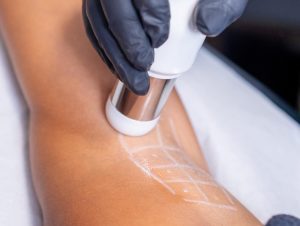
The key advantage is precise, controlled heat delivery:
• No overheating of the epidermis, and therefore minimal risk of burns or scarring.
• Accurate targeting of the glands leads to a reduction in their activity in the short term and later to a decrease in their number – resulting in long-lasting and in some cases even permanent improvement.
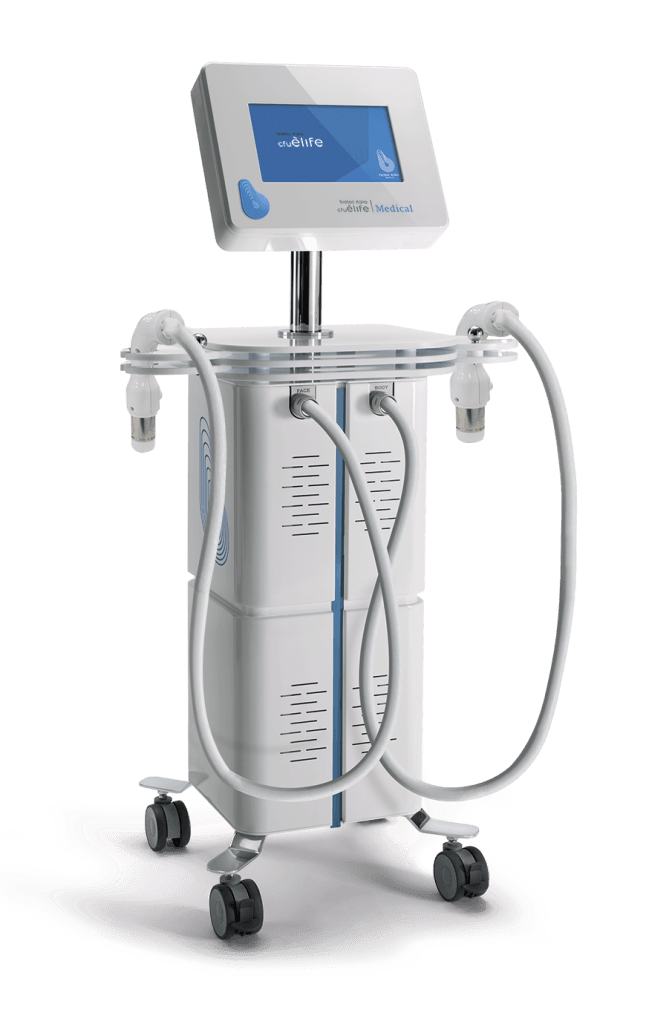
In clinical evaluations conducted with the CFU ELIFE device, the following results were observed after a short treatment of about 15 minutes per underarm:
• Patients reported a significant improvement in their Hyperhidrosis Disease Severity Scale (HDSS) score after just one session.
• 97% patient satisfaction with the results.
• No reported side effects and no need for frequent repeat treatments, unlike temporary solutions such as Botox.
Conclusion
Hyperhidrosis is far more common than most people think, but in recent decades awareness and technological solutions have both advanced significantly. While traditional treatments such as medical antiperspirants and Botox remain well-known and widely used, next-generation energy-based technologies are raising the bar in terms of efficacy and convenience.
For clinics and patients seeking an advanced, stable and fast solution, this is a technology well worth knowing.